Seasonal Maintenance Tips for Roof Skylights: Ensuring Your Home Stays Bright Throughout the Year
Seasonal maintenance of roof skylights is vital for maintaining their functionality and enhancing natural light in the home. Every season introduces distinct challenges that can impact both functionality and visual appeal. Regular attention can prevent issues such as leaks, condensation, and heat damage. Knowing the particular maintenance steps needed for each season ensures that skylights remain fully functional over time. The upcoming sections will outline essential maintenance tips for every season.
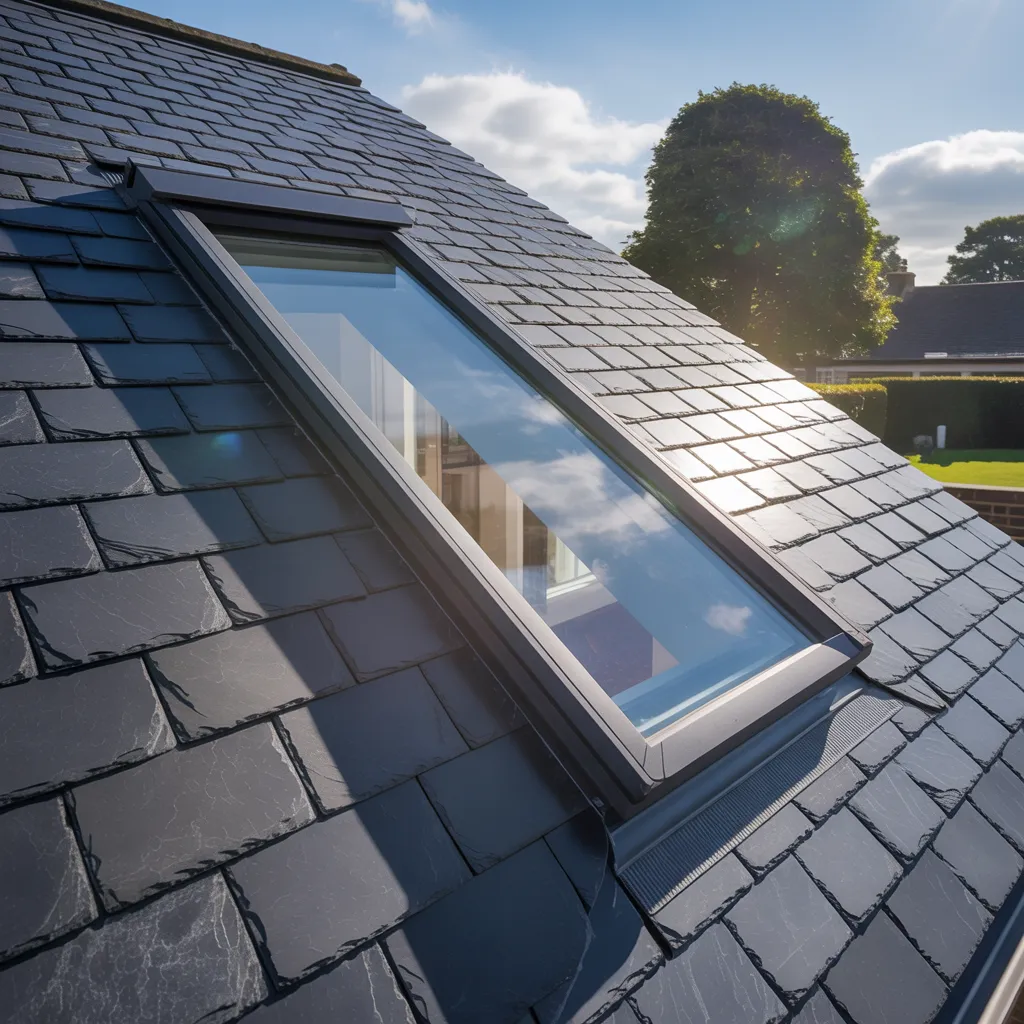
Why Consistent Skylight Upkeep Is Essential
Regular skylight maintenance is essential for ensuring discover this the longevity and efficiency of these structural elements. Over time, skylights can accumulate dirt, debris, and moisture, which can result in reduced light transmission and possible water leaks. Regular checkups assist in detecting any indications of deterioration, such as splits or seals in need of renewal.
Keeping up with skylights not only improves their visual charm but also promotes energy efficiency. Properly maintained skylights can considerably lower the need for supplemental lighting, thereby decreasing energy costs. In addition, consistent maintenance can help prevent expensive fixes in the future, maintaining the integrity of the roofing structure.
Year-Round Challenges for Roof Skylights
Skylights face unique challenges throughout the seasons, each presenting particular issues that can affect their function and durability. During spring, heavy rains can lead to leaks if seals are compromised, while pollen accumulates, obscuring light. Summer brings intense heat and UV exposure, which can degrade materials over time, possibly resulting in fading or structural distortion.
As autumn sets in, leaves and debris falling can obstruct drainage systems, heightening the chance of standing water. The harsh winter months introduce additional concerns; snow and ice may build up, placing excess weight and creating structural stress. Moreover, freezing temperatures may lead to condensation buildup, additionally increasing the chances of mold or mildew growth.
Grasping these year-round concerns is crucial for property owners to confirm their skylights stay operational, well-lit, and intact throughout the calendar year. Forward-thinking steps can minimize these concerns, safeguarding both visual appeal and functionality.
Fall Skylight Care: Eliminate Debris and Winterize Your Skylights
When autumn leaves start to fall, homeowners should make skylight maintenance a priority to ensure optimal performance during the winter months. Accumulated debris, such as leaves and twigs, may obstruct sunlight and cause potential water damage. Thoroughly cleaning the skylight frames and adjacent areas is vital to maintaining proper drainage and avoiding blockages.
Homeowners ought to also examine the flashing and seals around the skylights for signs of deterioration or damage. Replacing worn-out seals can assist in preserving energy efficiency and avoiding leaks during harsh winter weather. Furthermore, eliminating any moss or algae buildup is critical, as they can worsen deterioration over time.
Winter Skylight Preservation: Controlling Condensation and Ice Development
Cold weather care of skylights is vital for eliminating condensation and frost buildup. Proper insulation and weatherproofing methods can significantly minimize moisture buildup, while regular cleaning practices help maintain ideal performance. Moreover, applying freeze prevention techniques keeps skylights clear and fully functional across the coldest months.
Insulation and Sealing Strategies
Proper insulation and effective sealing are vital for maintaining skylights during colder months, as they help prevent condensation and ice buildup. Residents should begin by examining the insulation materials surrounding the skylight. Using high-quality, energy-efficient insulation can minimize heat loss, lowering the chances of condensation. Furthermore, weatherstripping ought to be installed around the borders of the skylight to form a firm seal, keeping cold air from penetrating the interior. Homeowners might also explore using insulated blinds or curtains to supply a supplementary shield against temperature variations. Routinely examining these areas for wear and deterioration is necessary, as even tiny openings can cause considerable moisture concerns. Proper insulation and sealing guarantee skylights remain functional and energy-efficient throughout winter.
Standard Cleaning Practices
Ensuring skylights are properly cleaned is a key component in preventing condensation and ice buildup during colder months. Routine cleaning eliminates dirt, particles, and buildup that can hold moisture in place, causing condensation to form on the inside surface. Homeowners should aim to clean skylights a minimum of two times throughout winter. Using a soft cloth or sponge, combined with a gentle soap solution, can efficiently remove grime without damaging the glass surface. Homeowners should also check for evidence of damage or deterioration in the seals of the skylight during cleaning. Making sure the exterior remains clear from snow or ice buildup is essential, as this supports effective drainage and ventilation. Such cleaning habits significantly contribute to preserving a bright and welcoming environment indoors during the winter months.
Strategies for Preventing Frost
To prevent frost from forming on skylights during cold months, homeowners can adopt various practical approaches. To begin, maintaining proper insulation around the skylight will help maintain indoor temperatures, minimizing the likelihood of condensation. Additionally, installing insulated or double-pane skylights can substantially limit thermal loss. Homeowners should also think about fitting a skylight vent, which can encourage air circulation and reduce moisture levels inside the home. Consistently monitoring and maintaining weather stripping is essential to stop drafts and dampness from seeping in. Furthermore, sustaining a uniform indoor climate can help regulate moisture levels, thereby reducing frost formation. By employing these strategies, homeowners can successfully reduce frost accumulation and guarantee their skylights remain functional and clear throughout winter.
Springtime Skylight Upkeep: Check and Maintain Your Skylights
As spring arrives, homeowners should turn their attention to skylight maintenance, ensuring these features remain functional and aesthetically pleasing. The new season offers a great chance for a comprehensive inspection and cleaning. Homeowners should start by inspecting the skylight for any signs of damage, such as splits or water infiltration, which could lead to more significant issues if ignored.
Additionally, washing the skylight's exterior is crucial for maximum sunlight penetration. A solution of mild detergent and water can successfully eliminate dust and residue. Be sure to steer clear of abrasive cleaners that could harm the glass panels or structural frame.
In addition, assessing the seals and flashing around the skylight guards against water intrusion. Any damage or deterioration should be addressed promptly. By focusing on these tasks in spring, homeowners can be confident their skylights keep enhancing their living areas throughout the year.
Summertime Skylight Upkeep: Shielding Against Heat and UV Rays
Throughout the summer season, skylight maintenance is critical for safeguarding interiors against intense UV radiation and heat. Property owners should look into applying UV-blocking window films to their skylights, which can significantly minimize glare and stop deterioration of furnishings and interior decor. Regular inspections for any signs of wear or damage to seals and frames are essential; compromised seals can lead to thermal infiltration and higher energy expenses.
In addition, including exterior shading options, such as overhangs or screens, can be beneficial in minimizing excessive sun infiltration. It is also prudent to ensure adequate airflow in the area under the skylights to help manage temperature and prevent heat buildup. By taking these proactive measures, household members can sustain a comfortable living space while enjoying the natural light that skylights provide, consequently upgrading their interior spaces during the hot summer season.
Vital Skylight Maintenance Advice for Year-Round Upkeep
Consistent skylight care is vital for securing longevity and peak performance across every season. Homeowners should begin by inspecting the skylights regularly for signs of leaks or damage, particularly after severe weather. Wiping down the glass and frames no less than twice per year assists in sustaining brightness and avoids debris buildup, which can impede natural light. Additionally, checking and clearing any debris from surrounding areas, such as leaves and branches, can prevent blockages that lead to water pooling.
It is equally important to confirm that flashing remains undamaged and correctly sealed to avoid moisture infiltration. In the interest of energy conservation, explore the option of using window film or shades to manage heat levels and limit ultraviolet deterioration. Finally, when any concerns are discovered, such as cracks or significant wear, prompt repair or professional consultation is advisable to minimize the risk of additional harm. Ongoing awareness of these elements will keep skylights functional and enhance the home's ambiance.

Common Questions and Answers
How Often Should I Replace My Skylight Seals?
Skylight seals require replacement every 5 to 10 years, based on environmental conditions and materials used. Regular inspections can help identify deterioration, securing top performance and avoiding leaks, ultimately maintaining the skylight's functionality and appearance.
Can I Do a Skylight Installation Myself?
Setting up skylights independently is possible for those with construction experience, though it calls for careful planning and compliance with construction codes. Seeking expert advice is advisable to secure appropriate placement and eliminate likely complications stemming from water damage or structural concerns.
What Types of Skylights Are Most Energy-Efficient?
The highest-performing energy-efficient skylights commonly include double or triple-pane glazing, low-emissivity (Low-E) coatings, and thermally insulated frames. These features limit heat transmission, boost thermal insulation, and decrease energy expenses while preserving optimal natural light in a home.
What Is the Best Way to Choose the Right Skylight Size?
To choose the appropriate dimensions skylight unit, you should evaluate room dimensions, ceiling height, and the desired amount of light. A standard rule of thumb advises a skylight size of 10 to 15 percent of the floor area of the room for optimal lighting.
Are There Skylights That Can Open for Ventilation?
Indeed, there are skylights specifically created for ventilation purposes. Such ventilating skylights can be operated either manually or electronically, enabling fresh air to flow through while delivering natural light, enhancing comfort and air quality in the living space.